A small thermostat can create big problems when it sticks in the wrong position. When it works correctly, your engine warms up quickly, stays in a steady temperature range, and your heater, fuel economy, and emissions all benefit.
When it sticks open or closed, the engine temperature swings too low or too high, and you start to see symptoms that are easy to miss at first if you are not sure what to look for.
What Your Thermostat Does for the Engine
The thermostat sits in the cooling system and acts like a temperature-controlled valve. When the engine is cold, it stays closed, so coolant circulates mostly inside the engine, helping it warm up faster. Once the engine reaches its target operating temperature, the thermostat opens and allows coolant to flow through the radiator, where heat is released to the outside air.
That constant opening and closing keeps the temperature in a narrow window. Too cool, and the engine runs rich and inefficient. Too hot and parts start to expand, oil thins, and you are one step closer to overheating damage.
What Happens When a Thermostat Sticks Open
A thermostat stuck open means coolant is always flowing through the radiator. The engine has a harder time warming up and may never reach full operating temperature, especially on cold or rainy days. On the gauge, you might notice the needle staying lower than it used to, or taking a very long time to move off the cold mark.
Drivers often notice a weak cabin heater in this situation. The air from the vents may feel lukewarm at best, even after a long drive. Fuel economy can also drop, because a cold engine needs a richer fuel mixture and extra idle speed to run smoothly. Over time, running too cool can increase carbon buildup inside the engine and catalytic converter, which may lead to other drivability issues.
What Happens When a Thermostat Sticks Closed
A thermostat stuck closed is more urgent. In that case, coolant cannot get to the radiator properly, so heat builds up inside the engine. The temperature gauge may climb higher than normal and keep rising, especially in slow traffic or on hills. Some vehicles will trigger a temperature warning light or message when this happens.
If you keep driving, you may see steam from under the hood, smell hot coolant, or feel the engine lose power. At that point, metal parts are expanding more than they should, and gaskets and seals are under a lot of stress. Pushing through an overheat event can warp cylinder heads or damage head gaskets, which are much more expensive than a thermostat replacement.
Dashboard and Gauge Clues That Point to Thermostat Trouble
Your cluster usually gives useful hints when the thermostat is not behaving. Watch for patterns like:
- Gauge staying on the cold side for most of the drive, even on the highway
- Gauge taking a long time to move, then dropping back down when you coast downhill
- Needle hovering higher than it used to in normal driving, especially in warm weather
- Temperature warning lights or messages that appear, then vanish, then come back again
These clues are more helpful when you think about when they show up, cold starts, long cruises, heavy traffic, or right after a hill. Sharing that timeline with a technician often speeds up diagnosis.
Other Symptoms Drivers Notice on the Road
Beyond the gauge, a thermostat problem often brings a handful of other small changes. A stuck open thermostat may give you a heater that works well only at higher speeds, then blows cooler air at long stoplights. You might also see slightly darker, fuel-rich exhaust on cold mornings because the engine is staying in warm-up mode longer than it should.
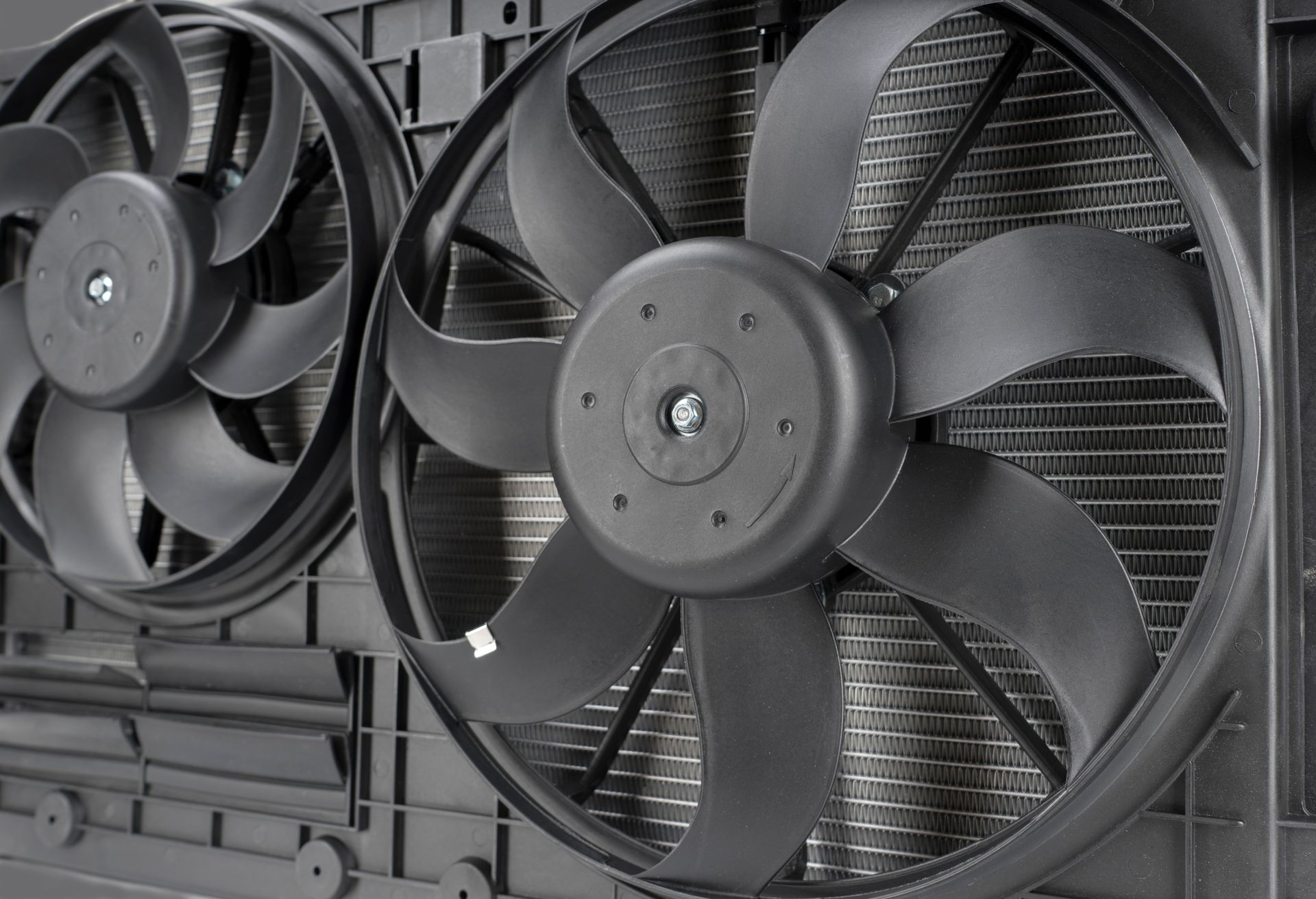
With a stuck closed thermostat, the heater might actually feel very hot, yet the engine is running too hot as well. You could smell a sweet coolant odor near the front of the car, hear the electric cooling fan running more than usual, or notice the coolant reservoir level changing quickly. In some cases, the engine may start and run fine for a few minutes, then overheat suddenly once the trapped coolant can no longer absorb any more heat.
Owner Mistakes That Can Make Thermostat Problems Worse
A thermostat issue can start small and become much more serious if a few common mistakes creep in:
- Continuing to drive with the temperature gauge clearly in the red, hoping it will come back down
- Opening the radiator cap on a hot engine which can release scalding coolant under pressure
- Adding plain water instead of the correct coolant mix for a long period of time
- Replacing only the thermostat housing gasket when the thermostat itself is sticking intermittently
We see a lot of engines that might have avoided major damage if they had been shut down earlier during an overheat or inspected sooner when the heater or gauge behavior changed.
Why a Professional Thermostat Check Matters
Because the thermostat is just one part of the cooling system, it is easy to misread the symptoms. A stuck-open thermostat can look like a weak heater core. A stuck closed thermostat can look like a bad radiator or cooling fan. Sometimes the thermostat is doing its job, but a sensor or wiring issue is feeding the wrong information to the dashboard.
A professional cooling system check usually includes verifying the actual engine temperature with a scan tool or an infrared thermometer, watching the thermostat open as the engine warms, checking coolant flow, and ensuring fans and sensors respond correctly. That kind of testing takes the guesswork out of the repair, so you are not replacing parts blindly.
Get Thermostat Diagnosis and Replacement in Aberdeen, WA with B & B Automotive Inc
If your temperature gauge has been acting strange, your heater is not behaving like it used to, or you suspect your thermostat is stuck open or closed, this is a good time to have the cooling system checked. We can test thermostat operation, inspect for leaks, and make sure your engine is running in the temperature range it was designed for.
Schedule thermostat diagnosis and replacement in Aberdeen, WA with
B & B Automotive Inc, and keep your engine from running too cold or too hot.