A rattle that shows up when you step on the gas can make a healthy car sound worn out. Exhaust parts live under heat, moisture, and vibration, so small problems grow into noise quickly. The good news is that most rattles have clear patterns. With a few clues and the right checks, you can tell where the sound comes from and what it will take to fix it.
What That Rattle Is Telling You
Rattling on acceleration usually means a metal piece is touching or a loose part is vibrating at a specific frequency. Because exhaust flow and engine motion rise when you press the pedal, anything slightly loose becomes loud. Heat shields, brackets, hangers, and thin internal muffler parts are common sources. A rattle that changes with engine rpm while parked points close to the engine; a rattle that needs road speed often sits farther back.
Common Causes Near The Engine
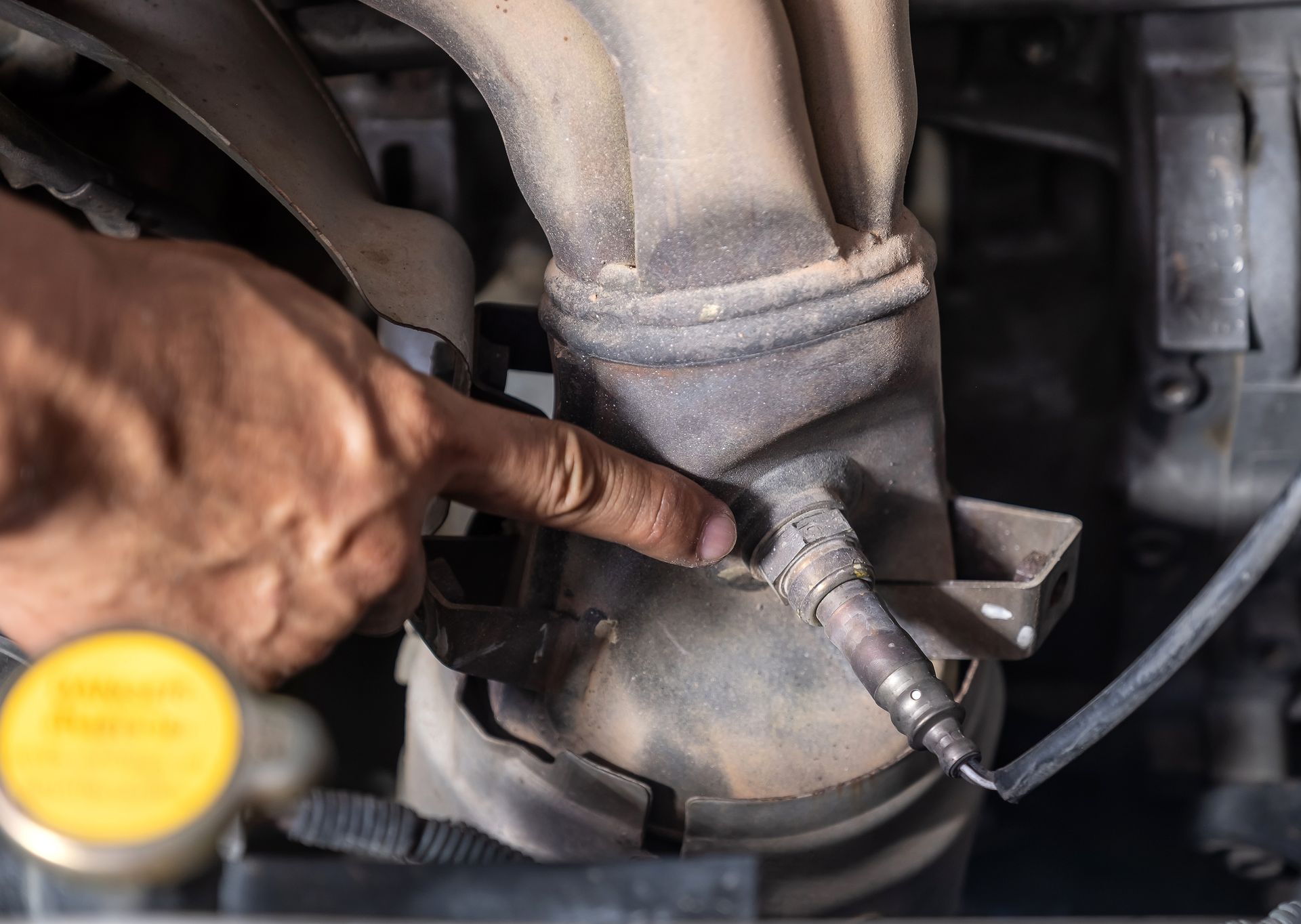
Up front, thin stainless heat shields protect nearby wiring and hoses. Their spot welds can crack, letting the shield buzz at certain rpm. Manifold studs may break and leave a corner loose, creating a sharp tick at cold start that turns into a harsher rattle under load. On turbo models, the downpipe joint and its shield deserve a close look. Catalytic converters can rattle too: if the ceramic substrate loosens, it sounds like gravel in a can at idle and a tinny buzz when you rev.
Mid-Pipe And Underbody Trouble Spots
The flex pipe, donut gaskets, and mid-pipe brackets see constant movement as the engine rocks. A failing flex section frays and taps the outer braid or nearby shields. A collapsed or dented resonator adds a metallic rasp. If a clamp loosens, the joint can vibrate and leave a soot trail. Road debris sometimes bends a heat shield up against the pipe; it may be silent at idle, then rattle the moment the exhaust heats and expands.
Mufflers And Hangers
At the back, aging mufflers develop internal baffles that break free. The noise often sounds hollow and changes with throttle. Rubber hangers stretch or split, letting the tailpipe swing and strike the body or a suspension arm over bumps. Rusted strap brackets around the muffler can snap, leaving the can supported by one hanger that lets it twist just enough to clatter on acceleration.
Why The Noise Gets Louder When You Accelerate
More throttle means more exhaust flow and heat. The pipe expands, the engine tilts slightly on its mounts, and vibrations increase. That combination puts small gaps and loose shields right into contact. If a catalytic converter core is loose, increased flow makes it dance inside the shell. If a hanger is torn, the tailpipe swings farther when torque loads the drivetrain. That is why a car can be quiet at idle yet noisy the moment you merge.
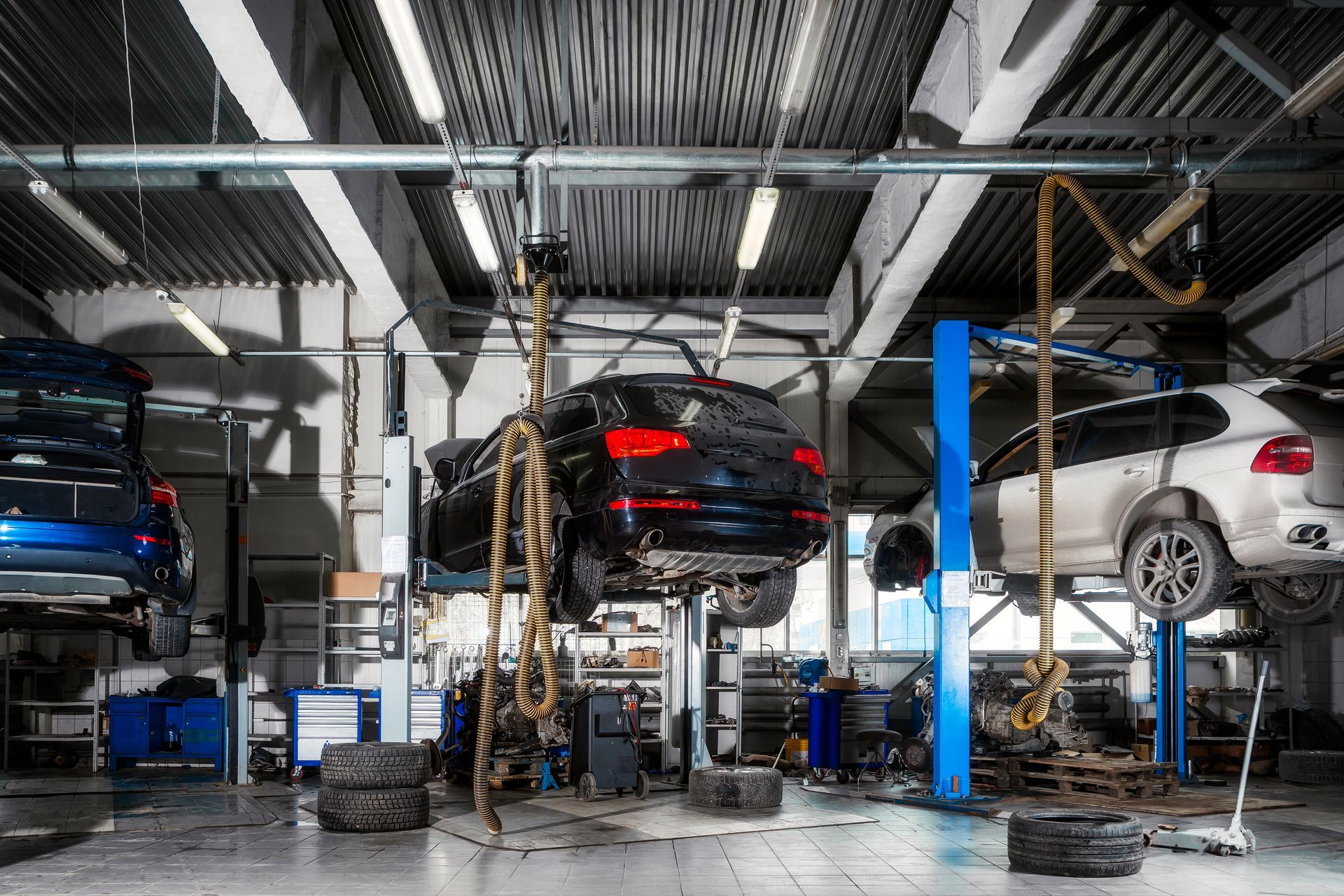
- Full-vehicle inspection on a lift: Evaluate the entire system, cold and hot, before choosing parts.
- Noise isolation tools: Use a rubber mallet and stethoscope to pinpoint loose shields, brackets, or internal muffler baffles.
- Leak confirmation: Smoke-test flex pipes and all joints to reveal hidden cracks and seepage.
- Centered support: Replace exhaust hangers in pairs so the system stays aligned and doesn’t sag.
- Real shield fixes: Re-rivet or replace heat shields; don’t just bend them away.
- Converter integrity: If the catalytic substrate is loose, replace the converter—clamping the shell won’t cure rattles and can raise backpressure.
- Clearance checks: Verify gaps at full suspension droop and at ride height so pipes won’t tap under torque.
- Prove-out drive: Finish with a road test to confirm quiet operation during gentle takeoff and highway merges.
Restore A Quiet Ride With B & B Automotive Inc In Aberdeen, WA
If your exhaust rattles when you accelerate or you hear a new buzz after a pothole or curb strike, our team can pinpoint the source and fix it for good. We inspect shields, hangers, and joints end to end, repair or replace the noisy parts with quality components, and verify clearances so the sound stays gone.
Schedule a visit with
B & B Automotive Inc in Aberdeen, WA, and get back to a smooth, quiet drive.