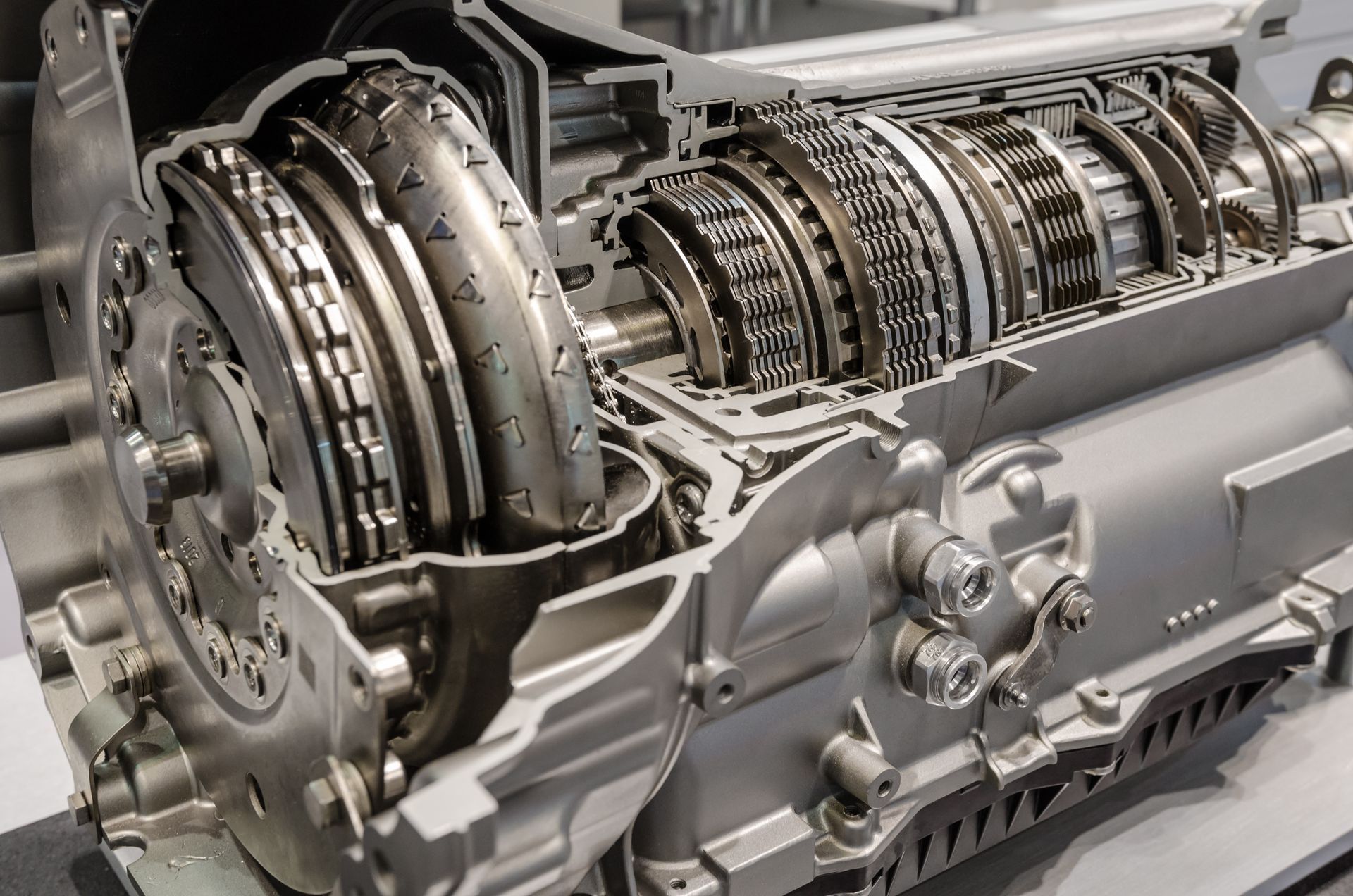
Motor and transmission mounts do more than hold things in place. They control movement, absorb vibration, and keep drivetrain angles where they’re supposed to be. When a mount wears or tears, the engine can shift farther than designed, and that change shows up as noise, shaking, and harsh engagement that feels like the car is getting older overnight.
Mount problems are often obvious once you know what to watch for.
Thumps Or Clunks When Shifting Into Gear
A worn mount allows the drivetrain to move too much when torque changes. That is why you may feel a thump when shifting from park to drive, or a clunk when you go from reverse to drive. The drivetrain loads in one direction, then snaps back because the mount is not controlling it tightly anymore.
This clue is especially clear on vehicles that used to shift quietly. If the sound started recently and you can reproduce it in the same situations, a mount check should be part of the next inspection. It can prevent stress on exhaust flex joints, axles, and other components that dislike sudden movement.
Extra Vibration At Idle Or At Stops
Mounts are designed with rubber or hydraulic chambers to isolate vibration. When they break down, you feel more engine vibration in the cabin, especially at idle. Some drivers notice the steering wheel buzzes more, the seat feels slightly shaky, or the dashboard area seems to tremble at a stoplight.
It is most noticeable when the engine is in gear and idling, because load changes the angle and pressure on the mounts. A smooth idle in park that turns into a rougher feel in drive is a classic sign. Regular maintenance checks can catch this early, because the mount may show visible cracking or separation before it gets loud.
Engine Movement You Can See Or Feel
A healthy mount limits how far the engine rocks when you rev it lightly. A worn mount allows exaggerated movement. You might see the engine lift or twist more than expected when someone blips the throttle, or you might feel a lurch when you accelerate from a stop.
This is not a situation where you want to test aggressively. The safer approach is letting a technician inspect the mount condition and control movement with the right support. Some mounts fail in a way that looks fine until load is applied, so the inspection needs to include how the drivetrain behaves under torque.
Harsh Acceleration And Jerky On-Off Throttle
Worn mounts can make the car feel jerky when you get on and off the throttle, because drivetrain movement changes how power is delivered to the wheels. Instead of a clean transition, you feel a lurch. This can be mistaken for a transmission problem, especially when it happens at low speed.
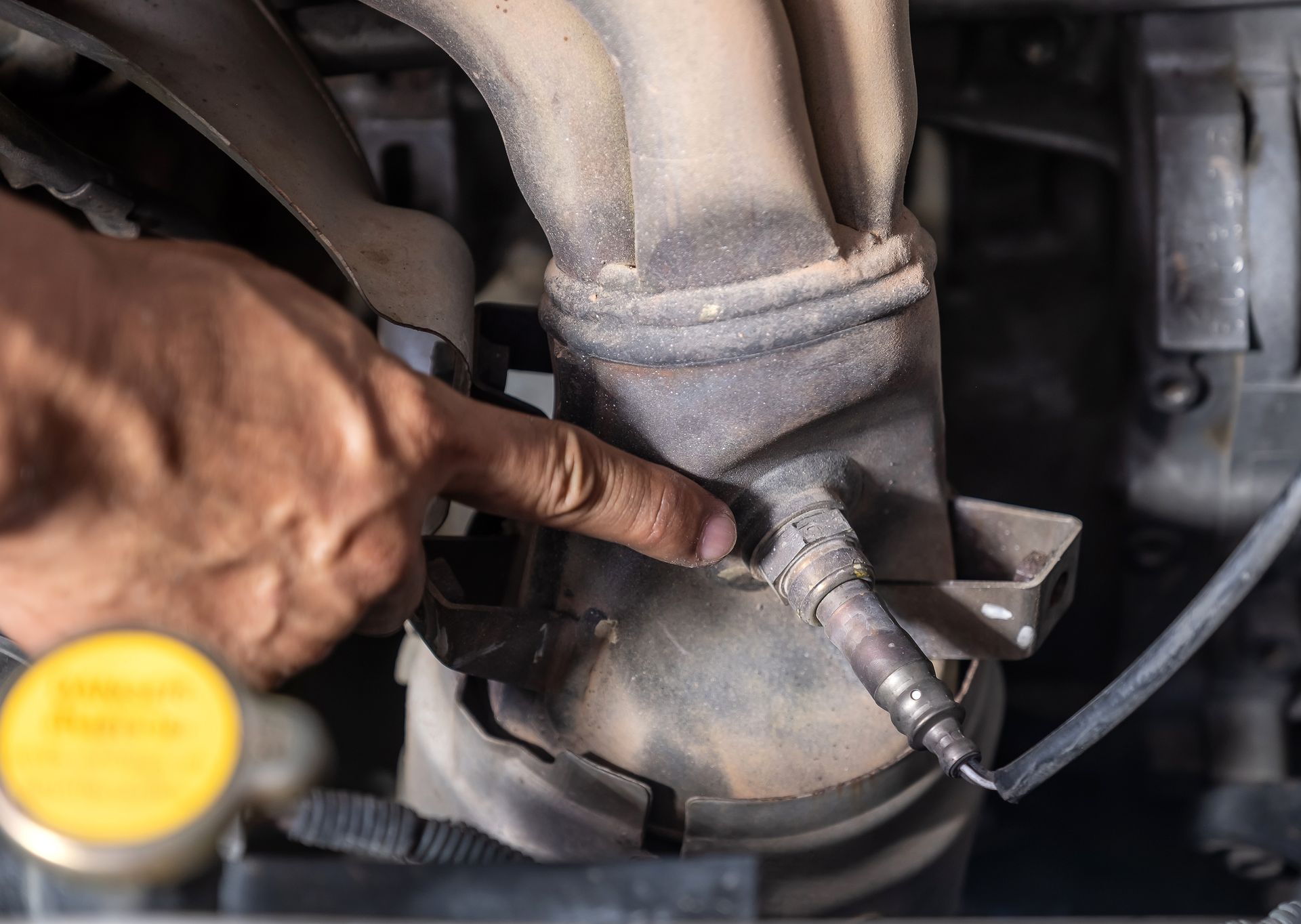
A mount issue can also add noise to acceleration, like a dull knock, because components shift enough to contact something nearby. Exhaust brackets, heat shields, and crossmembers can all become contact points when the drivetrain is moving too far. Confirming the mount condition during an inspection helps avoid chasing the wrong repair.
What A Mount Inspection Looks For
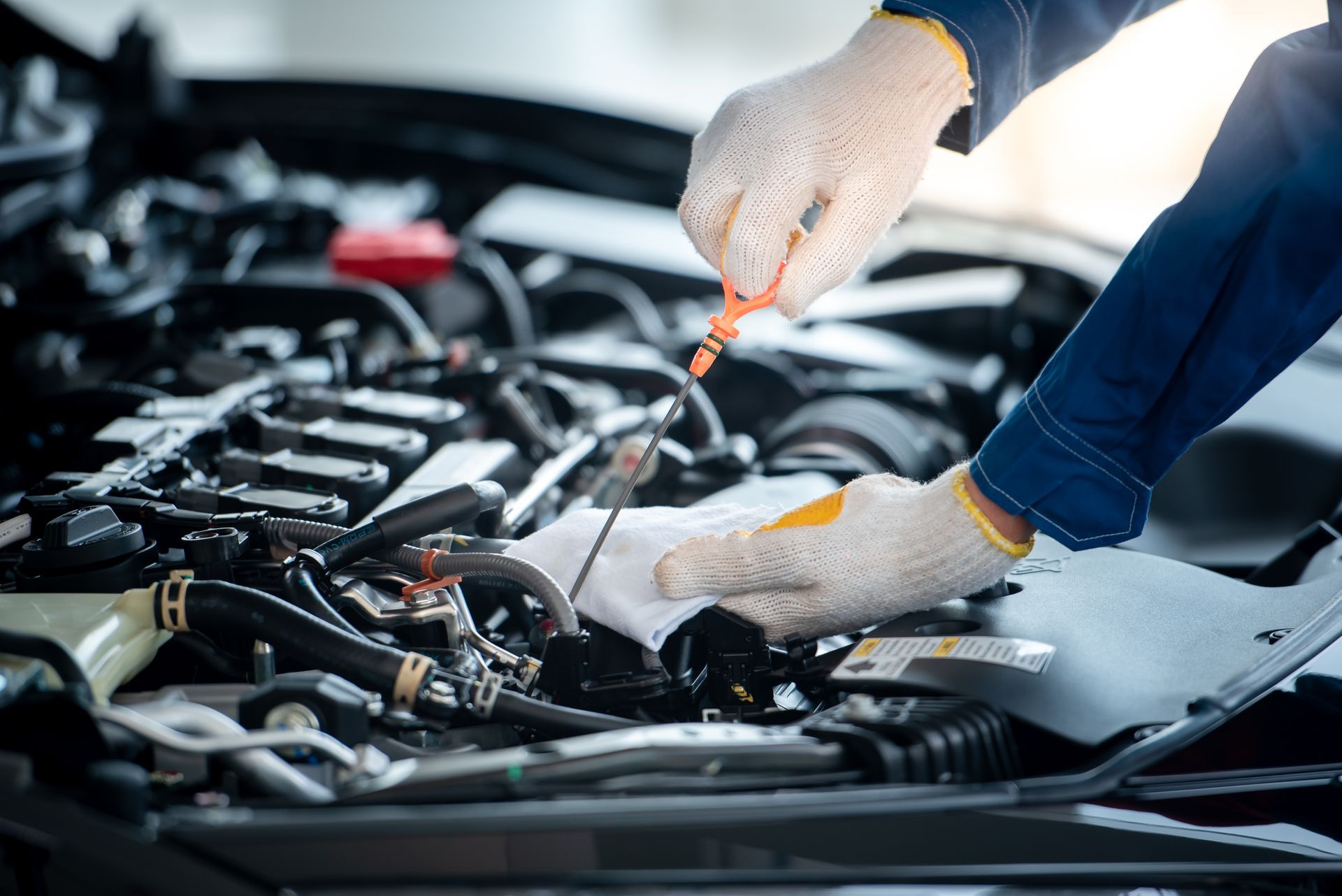
Mounts can fail from age, heat, oil saturation, or impact. Oil leaks are especially hard on rubber mounts because oil softens rubber and causes it to separate. That is why a mount check often includes checking for fluid leaks and looking for torn rubber, collapsed hydraulic mounts, and metal-to-metal contact points.
A proper inspection also checks related components. If one mount is worn, others may be close behind, and worn mounts can accelerate wear on axles, exhaust flex joints, and even radiator hoses if the engine shifts too much. Catching it early is usually cheaper than waiting until other parts are stressed.
What You Should Do If You Notice These Clues
If you’re hearing clunks or feeling new vibrations, avoid aggressive acceleration until it’s checked. Mount failures rarely fix themselves, and if a mount fully breaks, the drivetrain can shift far enough to cause secondary damage. The sooner it’s inspected, the more likely the fix is limited to mounts rather than a longer list of stressed parts.
If you want to be prepared for the appointment, note whether the clunk happens more in reverse, more when shifting into drive, or more when you accelerate from a stop. Those details help pinpoint which mount is moving and under what load.
Get Mount Replacement In Aberdeen, WA With B & B Automotive Inc
If your car is clunking on gear changes, vibrating more at idle, or feeling jerky on throttle transitions, the next step is confirming whether the motor or transmission mounts are worn and replacing the ones that are no longer controlling movement properly.
Schedule service with
B & B Automotive Inc in Aberdeen, WA, and we’ll inspect the mount condition, check drivetrain movement, and make the vehicle feel solid again.