The Ford F-150 has earned its reputation as a hardworking truck, but even a dependable pickup develops wear as the miles, towing, weather, and daily use add up. Some concerns are tied to particular engines or model years, while others can appear on almost any truck that has spent years hauling, commuting, or driving through rough conditions.
Knowing the common warning signs can help you respond before a small issue turns into a breakdown. These eight problems do not affect every F-150, but they are among the complaints technicians often hear from owners.
1. Engine Misfires And Rough Running
Spark plugs and ignition coils can cause shaking, hesitation, weak acceleration, and a check engine light. A mild misfire may show up mainly while climbing a hill, towing, or accelerating onto the highway because the ignition system has to work harder under load.
Fuel injectors, vacuum leaks, low compression, and fuel pressure problems can create similar symptoms. Reading the stored codes is only the beginning. Misfire data, plug condition, coil testing, fuel trims, and engine performance checks help identify which cylinder or system is actually responsible.
2. Timing Chain Or Cam Phaser Noise
Some F-150 engines can develop a rattling noise during startup or a knocking sound near the front of the engine. Worn timing components, chain tensioners, guides, or cam phasers may allow extra movement before oil pressure builds.
Ignoring a growing timing noise can lead to poor performance, warning lights, rough idle, or incorrect valve timing. Oil level and oil change history are important because many timing components depend on clean oil and proper pressure. Early testing may prevent the damage from spreading to other engine parts.
3. Transmission Shifting Problems
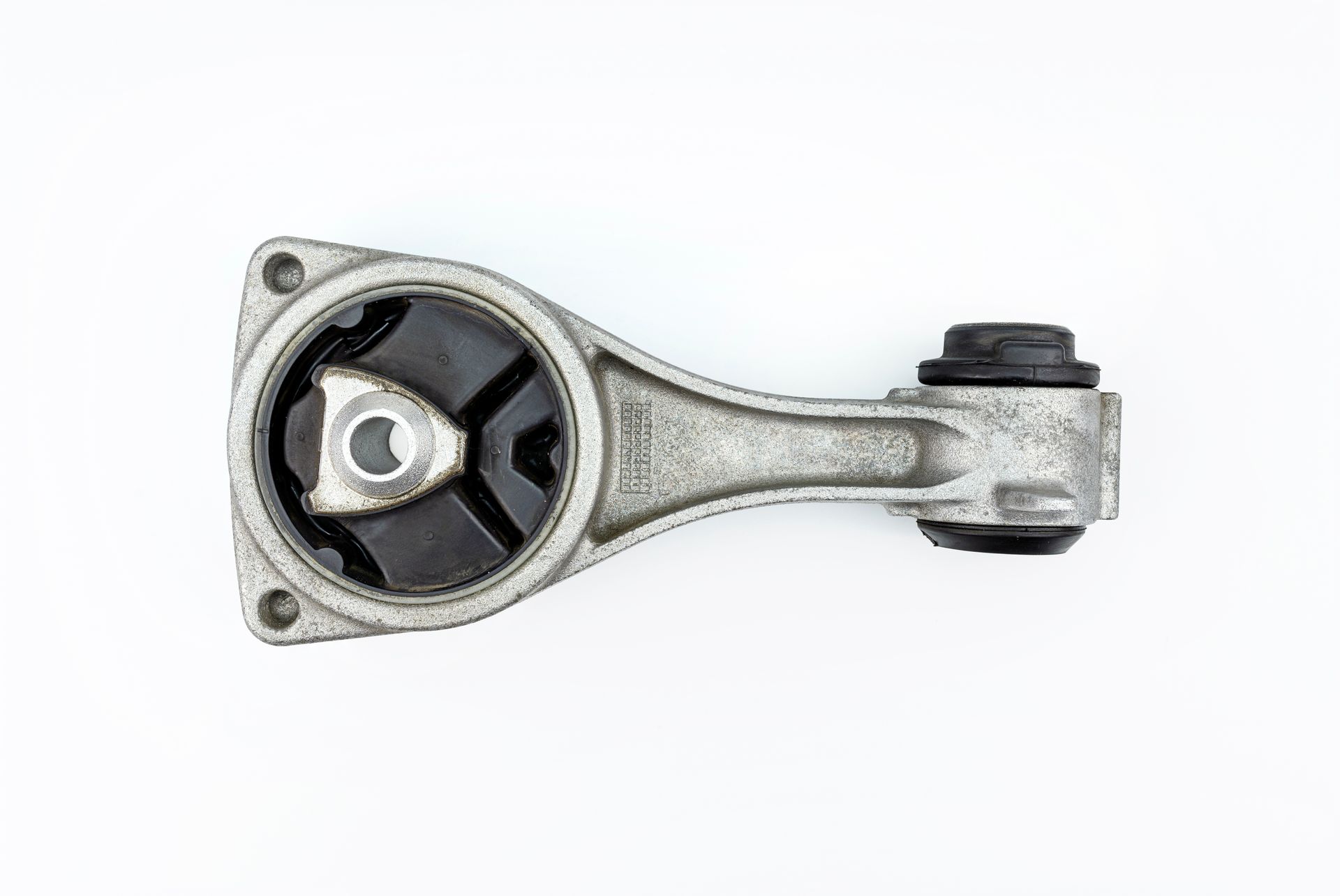
Owners may notice harsh shifts, delayed engagement, gear hunting, shuddering, or an unexpected jolt when the transmission changes gears. The problem can involve fluid condition, software, sensors, valve body operation, solenoids, internal wear, or drivetrain mounts.
Transmission symptoms should be documented carefully. Note whether the issue happens cold, hot, during light acceleration, or while towing. A road test, scan data, fluid check, and review of stored faults can separate a control concern from a mechanical problem inside the transmission.
4. Coolant Leaks And Overheating Concerns
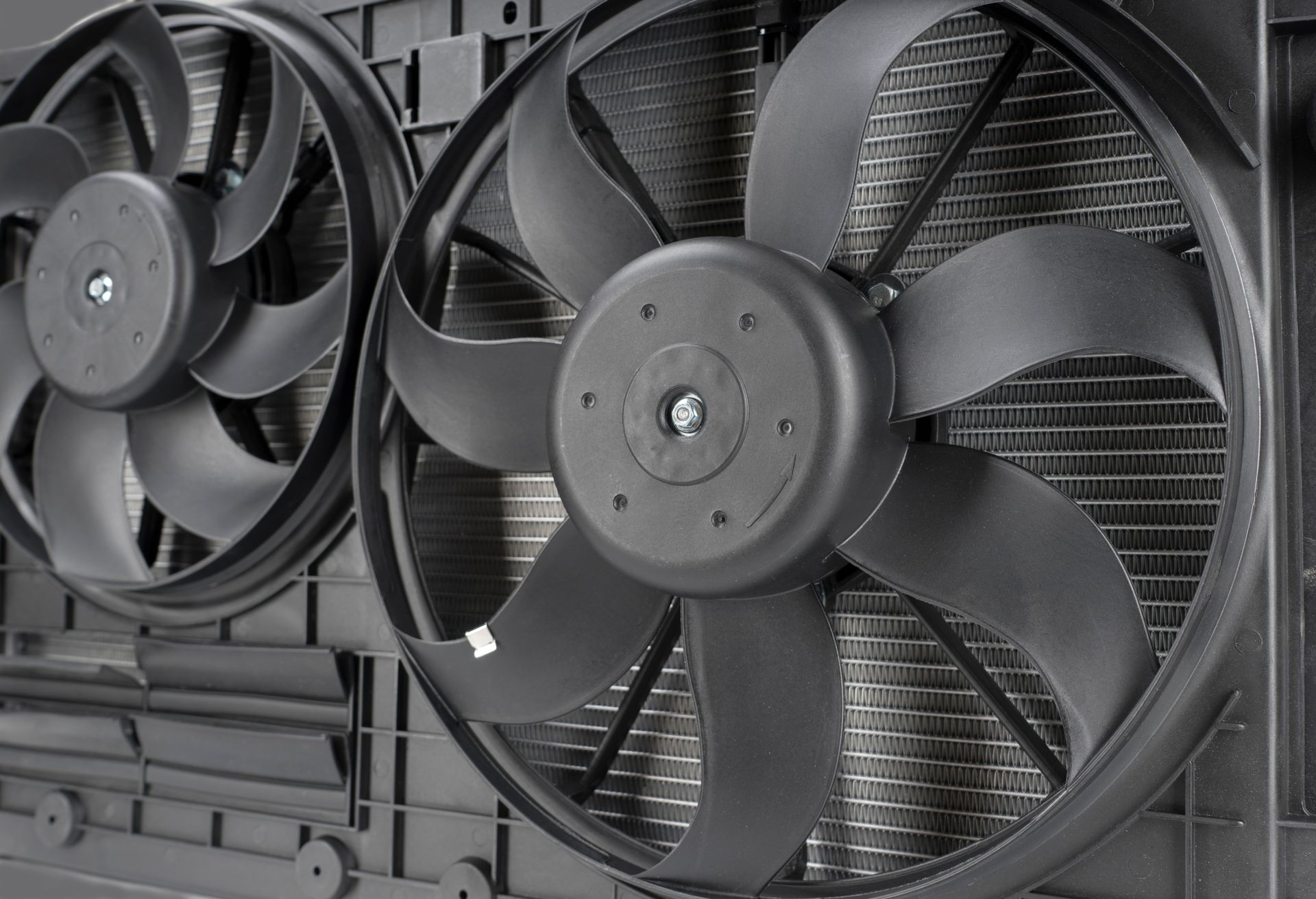
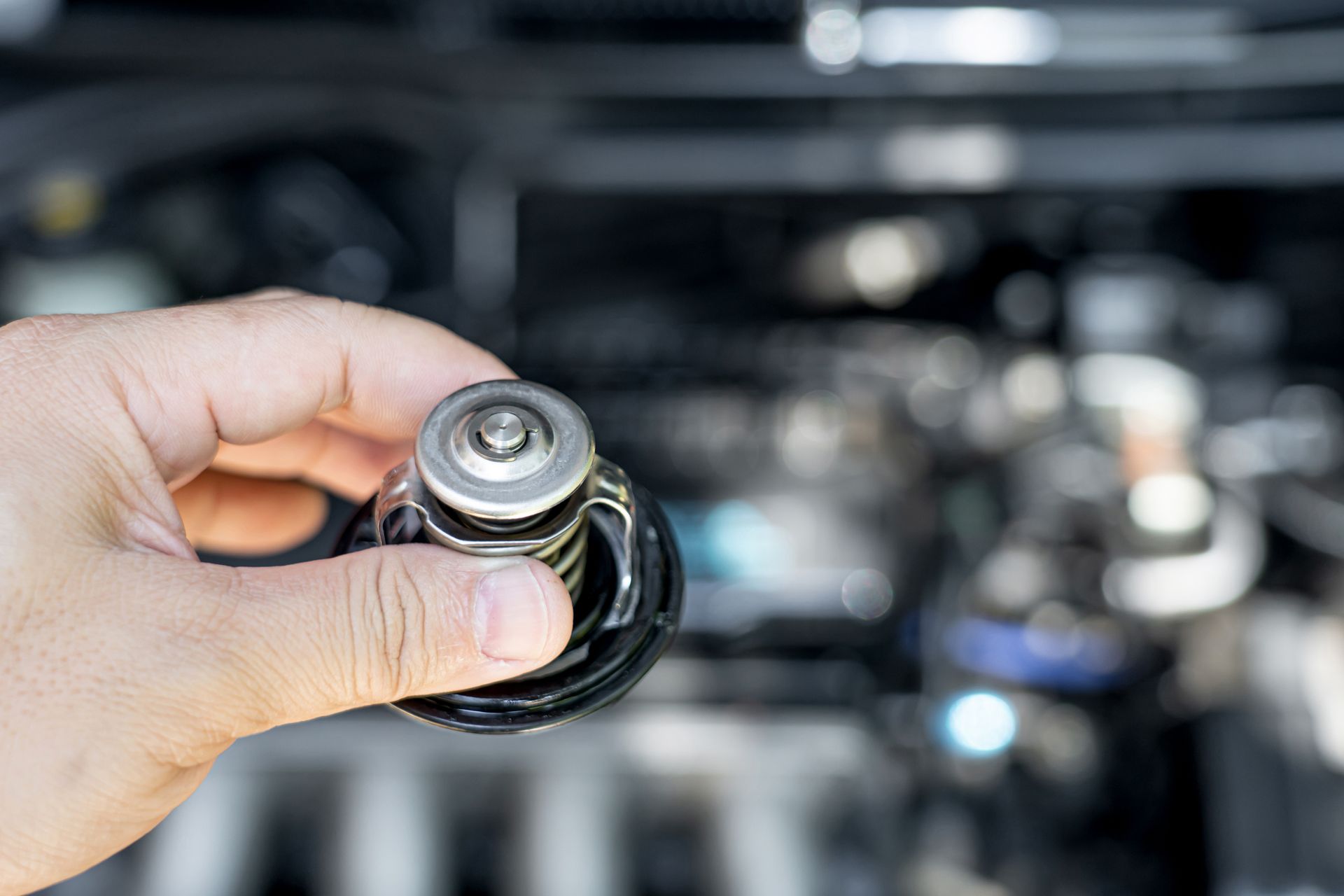
F-150 cooling systems use hoses, radiators, water pumps, thermostats, reservoirs, fittings, and seals that can weaken with age. A small leak may leave dried coolant residue or a sweet smell long before a puddle appears.
Low coolant can lead to poor heater performance, rising engine temperature, or serious engine damage if the truck overheats. Topping off the reservoir is only temporary. Pressure testing and a full inspection help locate leaks that appear only when the engine is hot and the system is under pressure.
5. Oil Leaks Or Higher Oil Consumption
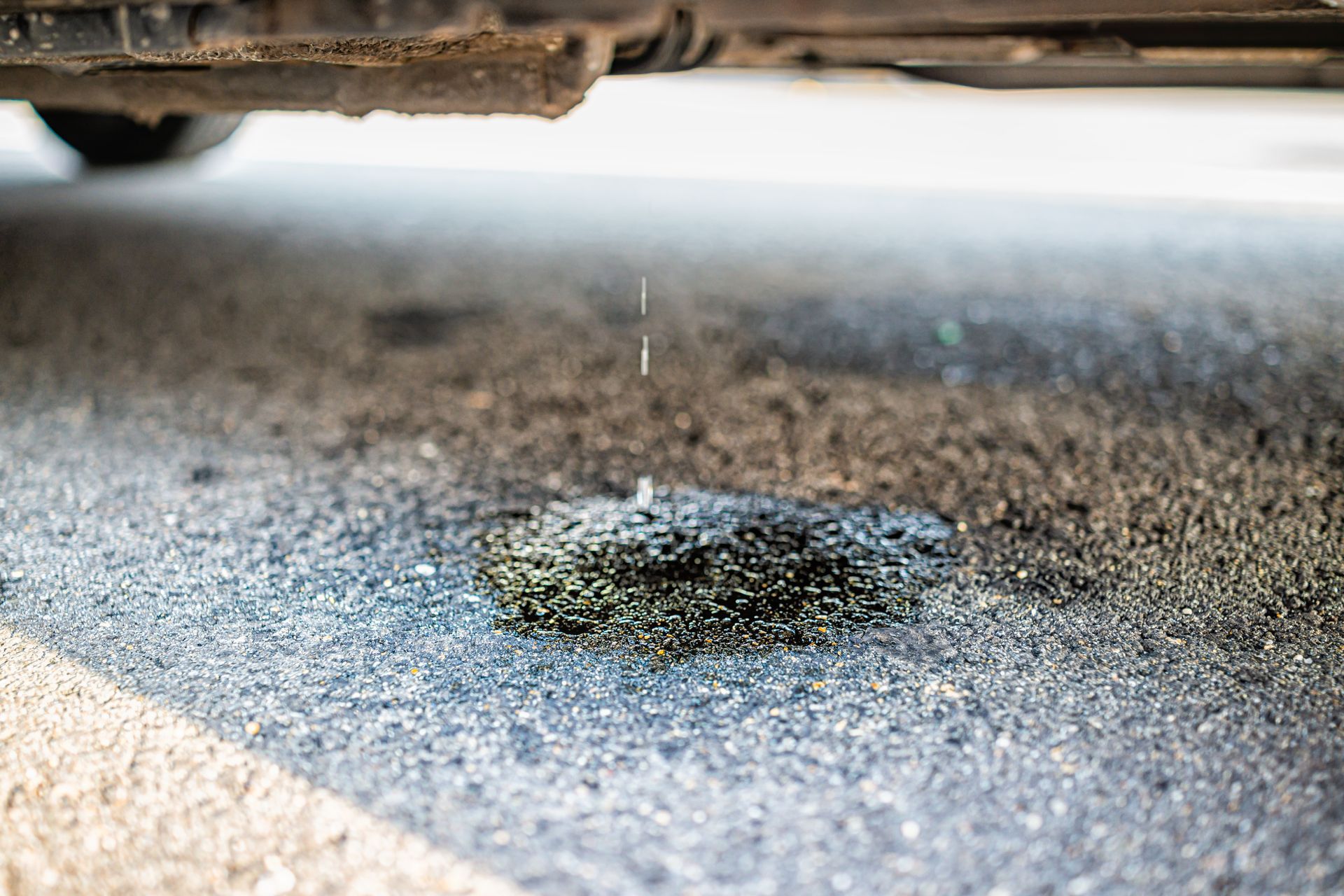
Oil can seep from valve covers, timing covers, oil pans, filter housings, turbocharger lines on equipped models, and other sealing points. Some leaks remain small for a long time, while others spread oil onto belts, mounts, wiring, or exhaust components.
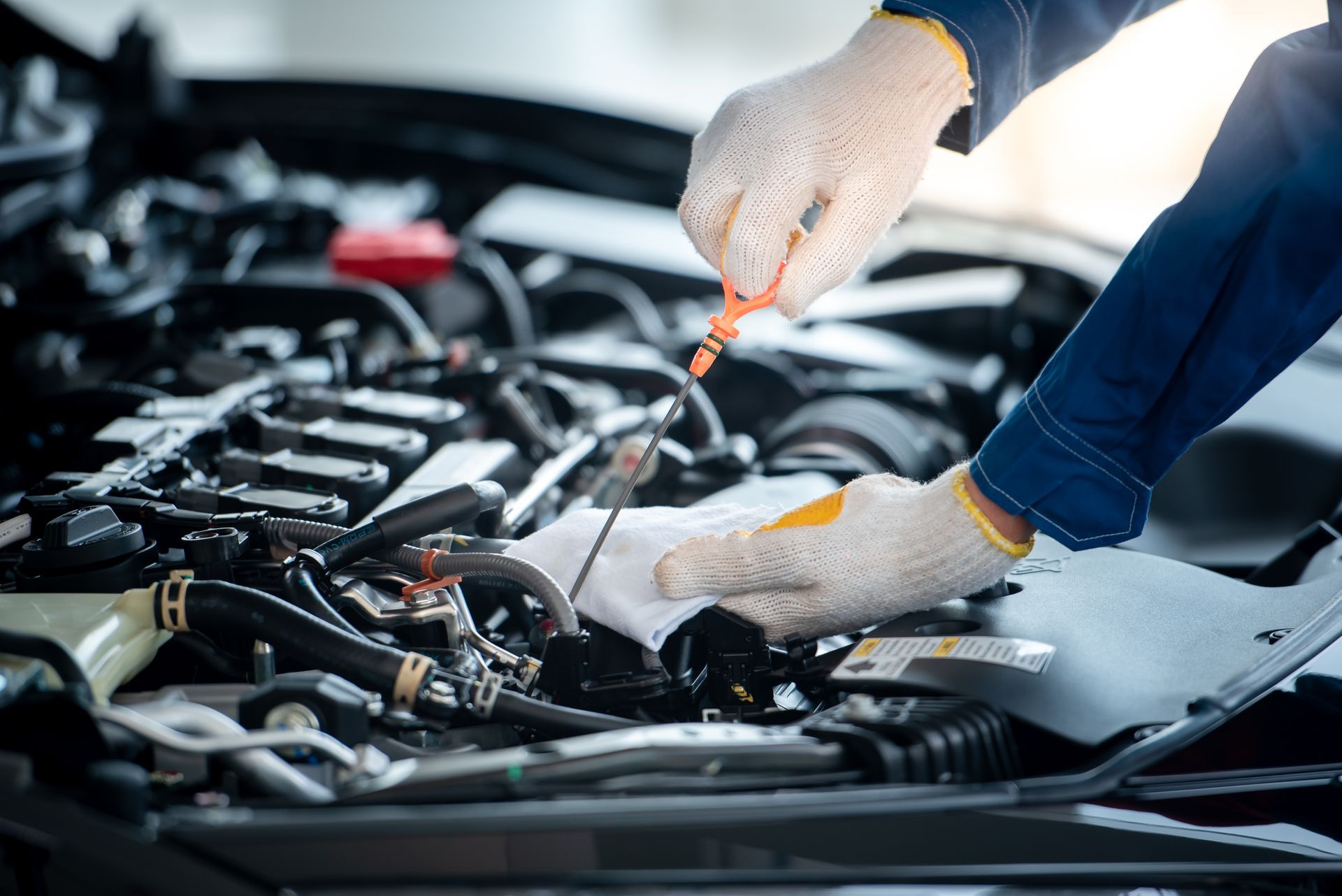
Owners should check the oil level between services, especially on higher-mileage trucks or engines that use some oil during normal operation. A low oil level can affect lubrication, timing components, turbochargers, and internal engine wear. Finding the source is better than repeatedly adding oil without knowing where it is going.
6. Battery, Charging, And Electrical Problems
A weak battery can create more than a slow start. Modern F-150s rely on stable voltage for the engine computer, transmission controls, steering, accessories, cameras, sensors, and communication between modules. Low voltage may cause several warnings to appear at once.
Corroded terminals, poor grounds, damaged wiring, alternator trouble, or a component that stays powered after shutdown can drain the battery. Testing should include battery capacity, charging output, cable condition, and electrical draw. Replacing the battery alone will not help if another fault keeps draining it.
7. Brake Wear, Pulling, Or Vibration
F-150 brakes work harder when the truck carries tools, cargo, passengers, or a trailer. Worn pads, rotor thickness variation, sticking calipers, seized slide pins, and old brake fluid can lead to pulling, vibration, noise, or longer stopping distances.
A steering wheel shake during braking often points toward the front brakes, but suspension and tire problems can contribute. One hot wheel or heavy brake dust on one side can indicate a sticking caliper. A complete check should compare wear at all four wheels instead of replacing only the noisiest pads.
8. Suspension And Steering Wear
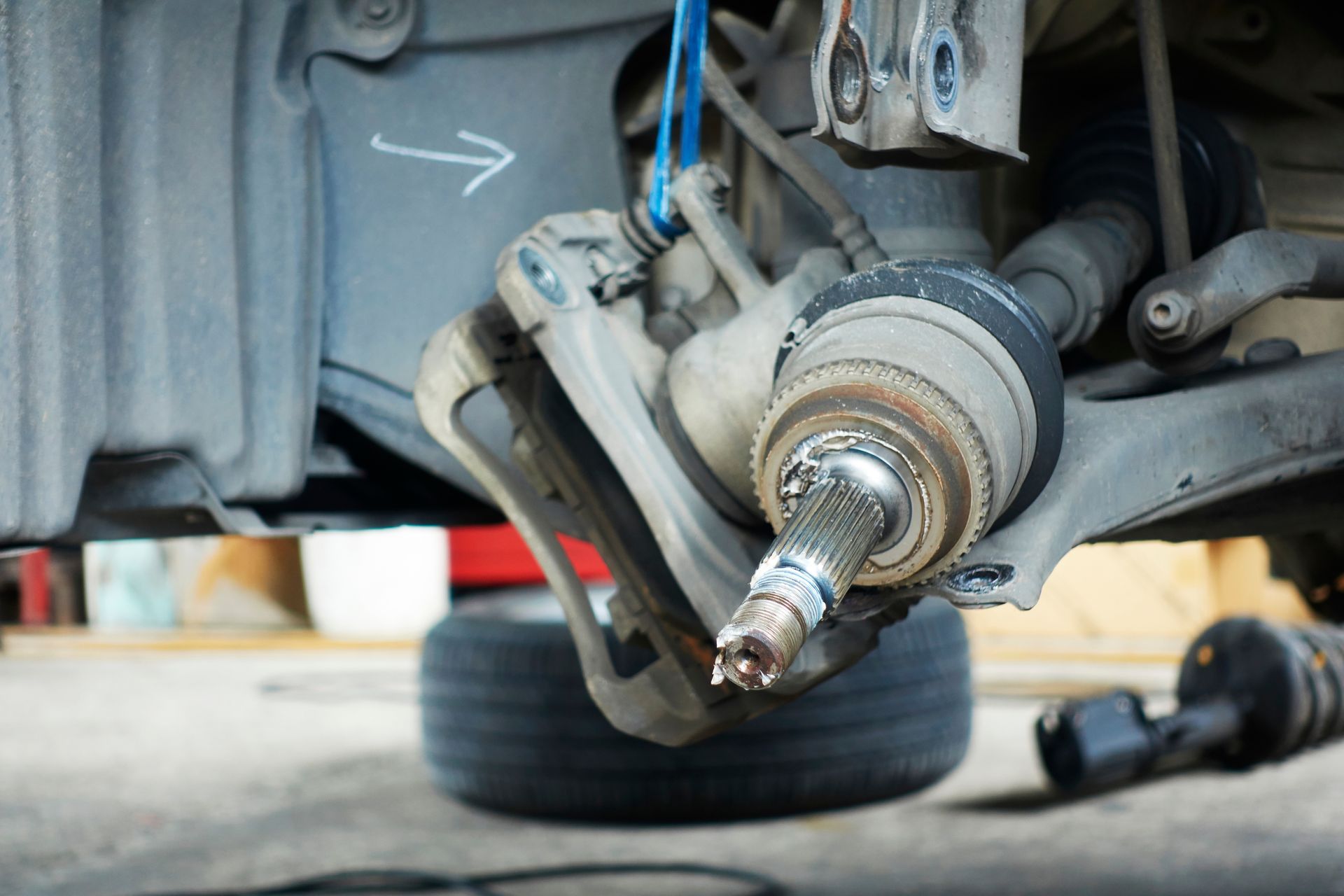
Control arm bushings, ball joints, tie rods, shocks, struts, wheel bearings, and sway bar links all take repeated impact from potholes, gravel roads, heavy loads, and everyday driving. Wear may show up as clunks, loose steering, uneven tire wear, bouncing, or a truck that wanders on the highway.
Large tires, leveling kits, towing, and frequent off-road use can place additional strain on suspension and steering parts. Regular maintenance and an inspection can catch looseness before it damages tires or affects control. Alignment should be performed after worn components are repaired to keep the settings accurate.
Pay Attention To Changes In How The Truck Feels
Many F-150 problems begin with a small change rather than a complete failure. A brief rattle, a harsh shift, a slow loss of coolant, or a slight pull during braking may be the first sign. Waiting for a warning light or breakdown can allow more parts to become involved.
Service history also helps guide repairs. Knowing when the spark plugs, fluids, brakes, battery, and cooling system were last serviced gives technicians useful context. The goal is to test the symptom, confirm the cause, and repair what the truck actually needs.
Get Ford F-150 Repair In Aberdeen, WA, With B & B Automotive Inc
If your Ford F-150 is shifting harshly, running rough, leaking fluid, making noise, or feeling less controlled, B & B Automotive Inc in Aberdeen, WA, can inspect the engine, transmission, cooling system, brakes, electrical system, steering, and suspension.
Contact us to schedule an appointment before an early warning becomes a larger repair.