A clutch does not have a fixed expiration mileage. One driver can get well over 100,000 miles from the original clutch, while another can wear one out much sooner. Vehicle weight, engine torque, traffic, hills, and especially driving habits all affect how long the friction material lasts.
The clutch wears whenever it slips between the engine and transmission. Some slipping is necessary when pulling away from a stop and changing gears, but excessive or unnecessary slipping creates heat and removes friction material faster. If you want the clutch to last, pay close attention to these five habits and conditions.
1. Riding the Clutch Pedal While Driving
Resting your foot on the clutch pedal may feel harmless, especially if you are ready for the next gear change. Even light pressure, however, can partially release the clutch or keep the release bearing loaded when it should not be.
That slight contact can create unnecessary wear over thousands of miles. Once the gear change is complete, move your left foot away from the pedal and use the dead pedal or floor instead. At our shop, we sometimes see clutch systems with release-bearing wear or friction problems that developed much earlier than expected because the clutch was never allowed to fully disengage.
2. Holding the Car on a Hill With the Clutch
Using the clutch to keep a manual-transmission car from rolling backward on a hill creates a tremendous amount of heat. The clutch disc slips continuously while engine power is fed through it.
Use the brake or parking brake to hold the vehicle instead. When it is time to move, engage the clutch normally and release the brake as the car begins pulling forward. Modern hill-hold systems can help on vehicles equipped with them.
That brief controlled slip during takeoff is normal. Holding the car halfway on the clutch for several seconds at every hill is not. Repeated overheating can glaze the friction surfaces, create a burning smell, and shorten clutch life considerably.
3. Slipping the Clutch Too Much When Pulling Away
Every manual-transmission driver has to slip the clutch slightly when starting from a stop. The problem begins when the engine is revved high, and the clutch pedal is released very slowly.
That turns the clutch into a friction brake between the engine and transmission. The higher the RPM difference, the more heat the clutch has to absorb. Hard launches are especially demanding because the clutch is transferring large amounts of torque while it is still slipping.
Drivers sometimes develop this habit because it makes takeoffs feel easier, particularly in traffic. A cleaner technique is to use only enough throttle to prevent stalling and let the clutch engage without spending unnecessary time at the friction point. You don't need to dump the pedal, but you also shouldn't hold it halfway up longer than needed.
4. Towing, Heavy Loads, and Hard Driving Create More Heat
A clutch in a heavily loaded vehicle has a harder job than the same clutch in a lightly driven commuter. More vehicle weight requires more torque to get moving, increasing the energy the clutch must absorb during takeoff.
Towing, steep mountain roads, repeated hard acceleration, and performance driving can all shorten clutch life. Modifying the engine for substantially more torque can have the same effect if the original clutch was not designed for the new output.
Heat is the common factor. A clutch that repeatedly gets hot enough to smell can develop glazing, hot spots, or accelerated friction material wear. If you frequently tow or drive in demanding conditions, regular maintenance and an occasional inspection of the clutch hydraulic system, transmission, and related components can help catch problems before they leave you unable to shift properly.
5. Clutch Hydraulic or Mechanical Problems Can Cause Constant Slip
Sometimes the driver is not causing the wear at all. A clutch can remain partially released because something in the release system is sticking or adjusted incorrectly.
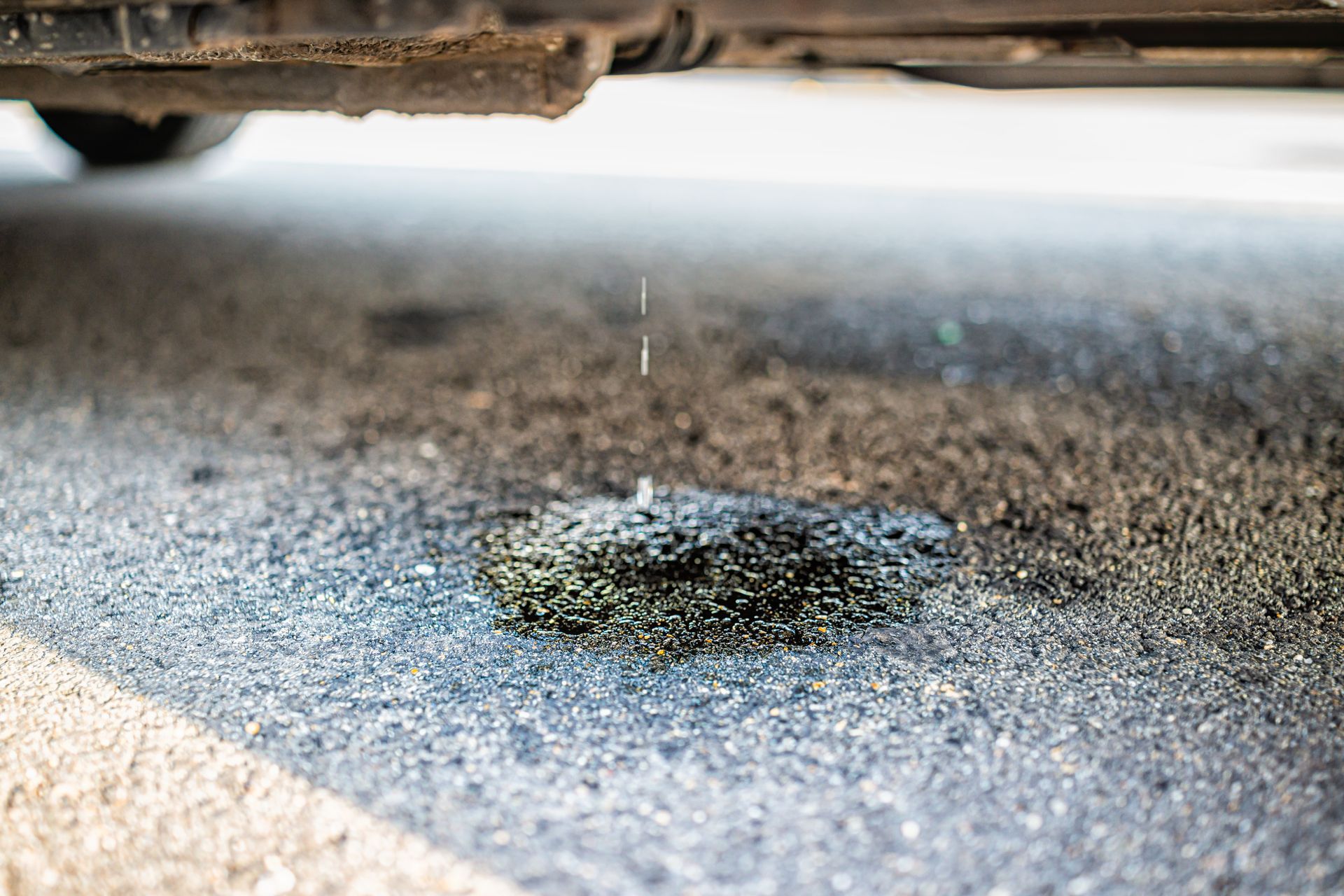
On hydraulic systems, a master cylinder, slave cylinder, hose, or release mechanism can prevent the clutch from applying correctly. Mechanical linkage problems can do the same on other designs. Oil leaking from the engine rear main seal or transmission input area can contaminate the clutch disc and cause it to slip, even when the pressure plate is trying to hold it firmly.
A clutch that begins slipping under acceleration deserves attention. You may notice engine RPM climbing quickly without the vehicle gaining speed at the same rate, especially in a higher gear or while going uphill. Once the clutch starts slipping heavily, continued driving creates more heat and can damage the flywheel and pressure plate.
How Do You Know the Clutch Is Near the End?
Clutch wear usually gives you some warning before the car becomes undriveable. The engagement point may move higher in the pedal travel, acceleration can begin feeling disconnected, or you may notice a burnt friction smell after hills or heavy traffic.
A stiff pedal, grinding during shifts, difficulty selecting gears, or noises when pressing the clutch can point toward other components in the clutch release system. Check those symptoms rather than assuming the friction disc is worn out.
Clutch life is largely about how much heat and slipping the system has experienced. Good driving habits can add many miles to its service life, but once a clutch is worn or contaminated, changing your technique won't restore the lost friction material.
Get Clutch Service In Aberdeen, WA, With B & B Automotive Inc
If your clutch is slipping, engaging unusually high, making noise, or becoming harder to operate, B & B Automotive Inc in Aberdeen, WA, can check the clutch, hydraulic system, release components, and transmission operation.