An engine misfire often announces itself as shaking at a stoplight or a stumble when you accelerate. One cylinder is failing to contribute its normal share of power, so the engine feels uneven. The roughness might last a moment or continue throughout the drive.
Finding the cause takes more than identifying the cylinder. In a gasoline engine, combustion needs the right air and fuel mixture, a strong spark, and compression at the correct time. A fault in any of those areas causes rough running, but each requires different checks and repairs.
Engine Misfire Symptoms at Idle and Under Load
Some misfires are obvious at idle. The steering wheel or seat trembles, the exhaust rhythm sounds uneven, and the engine seems to struggle while the car is stopped. Others appear mainly during acceleration, when the engine needs more power, and the ignition system works under greater demand.
If the roughness appears only during the first minute after starting, mention that when booking. The technician needs a cold engine to reproduce a cold-start problem. Dropping it off ahead of the appointment often gives the shop a better opportunity to catch the misfire before the engine warms up.
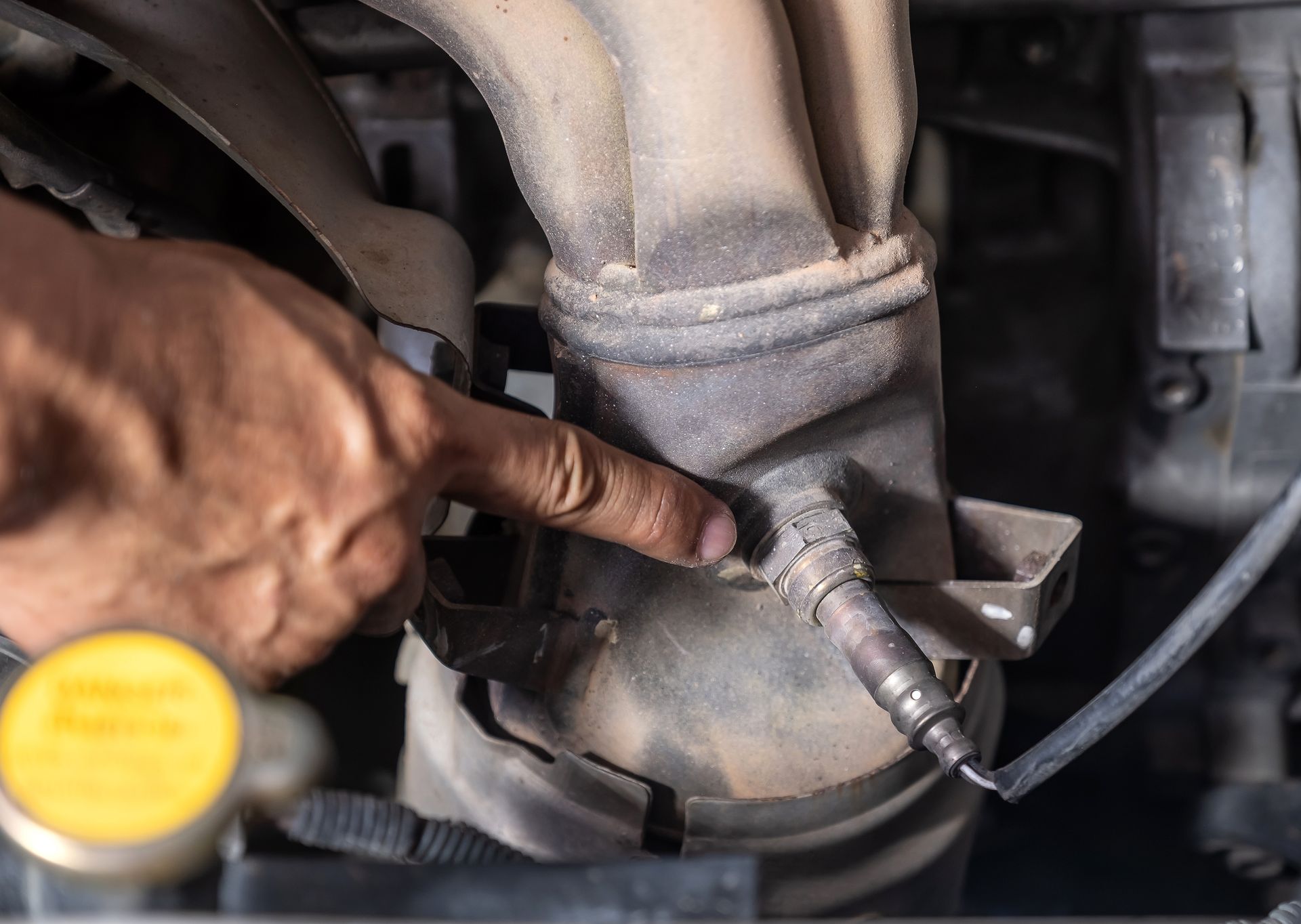
Watch the check engine light too. A flashing check engine warning with rough running commonly signals a misfire that threatens the catalytic converter. Stop somewhere safe and arrange help instead of trying to drive through the shaking. Raw fuel entering the exhaust generates damaging heat and can turn a small repair into a much bigger one.
Spark Plug and Ignition Coil Checks for Misfires
Spark plugs ignite the air and fuel mixture. Their electrodes wear over time, and deposits, damage, or an incorrect gap can disrupt a reliable spark. Ignition coils supply the high voltage the plugs need, while boots and related insulation keep that energy on the intended path.
Under load, a weak ignition system often becomes more noticeable. A car might idle reasonably well but hesitate when climbing a hill or joining faster traffic. That symptom helps the technician evaluate the ignition system under conditions closer to the complaint.
Testing also includes looking for oil or moisture around the plug wells where the design allows those problems. Replacing a coil while leaving contamination or a damaged connection in place invites repeat trouble. The repair should address the condition that caused the ignition failure as well as the failed part.
The old spark plugs often tell part of the story. Wet fuel, oil deposits, unusual wear, or damage gives the technician a reason to check what is happening in that cylinder. Those findings help explain whether new plugs complete the repair or whether another fault needs attention first.
Air and Fuel Problems That Cause Engine Misfires
A cylinder needs a mixture it can burn properly. An intake leak lets unwanted air enter, while an injector or fuel pressure problem changes the amount of fuel available. The engine's controls respond to those conditions, and their readings give the technician useful clues.
An air leak often shows itself differently at idle than during heavier operation. A fuel delivery problem may become more obvious as the engine asks for more power. Comparing the readings across those conditions helps direct the inspection toward the actual source.
A rough idle with excess intake air points toward checking for leaks. Hesitation only under a heavy load raises questions about fuel supply as well as ignition strength. Comparing those conditions helps the technician narrow the search instead of fitting coils to an engine with a fuel-delivery problem.
Compression and Timing Checks for Persistent Misfires
The cylinder also has to seal properly. A leaking valve, worn internal component, or timing problem interrupts combustion even with good spark and fuel. Compression and cylinder leakage tests help check that mechanical condition when a misfire persists.
Bring up recent overheating, timing repairs, or frequent oil top-offs. They give the technician useful background before discussing major engine work. A mechanical finding should be explained clearly, including the affected cylinder, the test result, and what further inspection or repair it supports.
How Engine Misfire Testing Uses Your Symptoms
Stored codes help identify which cylinder or pattern the computer has noticed. Operating information captured during the fault also provides context. A code naming one cylinder directs the investigation there, while a broader pattern calls for looking at systems shared across the engine.
Useful details for engine misfire testing include:
- Whether rough running starts with a cold or warm engine
- Whether the engine shakes at idle
- Whether it hesitates during acceleration or climbing
- Whether the check engine light is steady or flashing
- Recent ignition or engine repairs
- Recent refueling or overheating
- Changes in fuel use, oil level, or exhaust smoke
A brief recording made safely while parked can also show how an intermittent symptom sounds. Keep the stored codes in place before the appointment so the shop has the information available. Clearing the light removes clues without fixing the combustion problem.
After the repair, check the engine in the situation that originally caused the misfire. A cold-start complaint needs another cold start. A stumble on acceleration needs a normal road test under load. The shop should explain what was repaired and how it checked that the rough running was gone.
Engine Misfire Repair at B & B Automotive Inc
B & B Automotive Inc in Aberdeen, WA, can review engine misfire symptoms and the testing your vehicle needs. Explain whether the shaking happens cold, at idle, or during acceleration, and mention any flashing warning. Those details help us discuss the safest next step and the checks to begin with.
Arrange engine misfire testing with
B & B Automotive Inc before continued rough running damages related parts.