A truck with a 4x4 badge seems ready for anything until a grinding noise starts after a muddy trip or the four-wheel-drive system refuses to engage. SUVs with all-wheel drive have their own service needs, even when the driver never touches a transfer case switch. These systems give you extra traction, but they add mechanical components that need the right lubricants, tires, and inspections. Keeping them dependable starts with knowing which system your vehicle actually uses.
How AWD and Part-Time 4x4 Drivetrains Differ
All-wheel-drive systems typically manage power distribution between the front and rear wheels automatically. Designs vary, and some use electronically controlled couplings that engage only when extra traction is needed. Part-time 4x4 systems on many pickups use a transfer case and selectable drive modes. They are often intended for slippery or loose surfaces when all four wheels are driven together.
A part-time system without a center differential isn't meant to stay locked in four-wheel drive on dry pavement. The tires need room to rotate at slightly different speeds in a turn, and forcing the drivetrain to bind strains its components. We confirm the specific operating instructions before suggesting a service schedule. An AWD crossover and a work truck with low-range gearing are not maintained in exactly the same way.
Transfer Case Fluid and Electronic Couplings Need Service
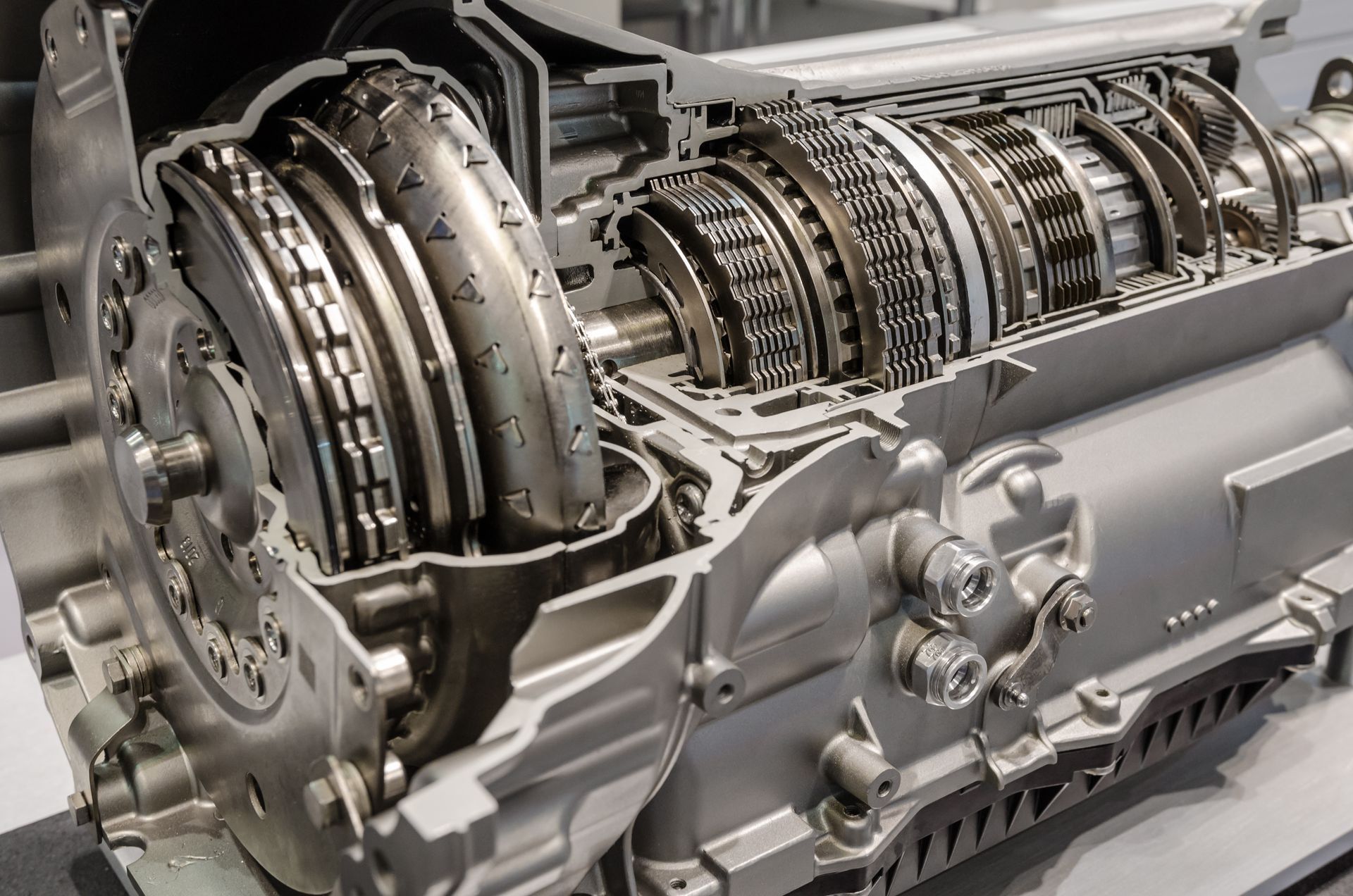
The transfer case sends power toward the front and rear axles in a four-wheel-drive vehicle. Its gears, bearings, chains, and clutches depend on the lubricant or specialized fluid specified by the manufacturer. Certain AWD systems also have serviceable coupling units with their own fluid requirements. A fluid intended for one unit is not automatically correct for another.
Does your truck only use 4x4 during hunting trips or winter storms? Infrequent engagement doesn't mean the transfer case can be forgotten. Moisture, age, heat, and driving conditions still affect service needs. We examine leaks, fluid condition where accessible, and the manufacturer's schedule, including severe-service intervals for towing or regular operation on rough roads.
Front and Rear Differential Maintenance Protects the Axles
Differentials let the wheels rotate at different speeds during turns while transferring engine power to the axles. The ring and pinion gears, bearings, and other internal parts operate under substantial load, especially when towing or climbing steep grades. The lubricant needs to meet the correct viscosity and performance specification for the differential design.
Some trucks have limited-slip units with additional friction requirements, while other vehicles use electronic locking mechanisms. That changes the exact service procedure. We inspect the housings and seals for leaks and check for unexplained whining, grinding, or metal debris. Fresh fluid helps protect healthy components, but it won't undo gear damage that has already started.
CV Axles, Driveshafts, and U-Joints Need a Closer Look
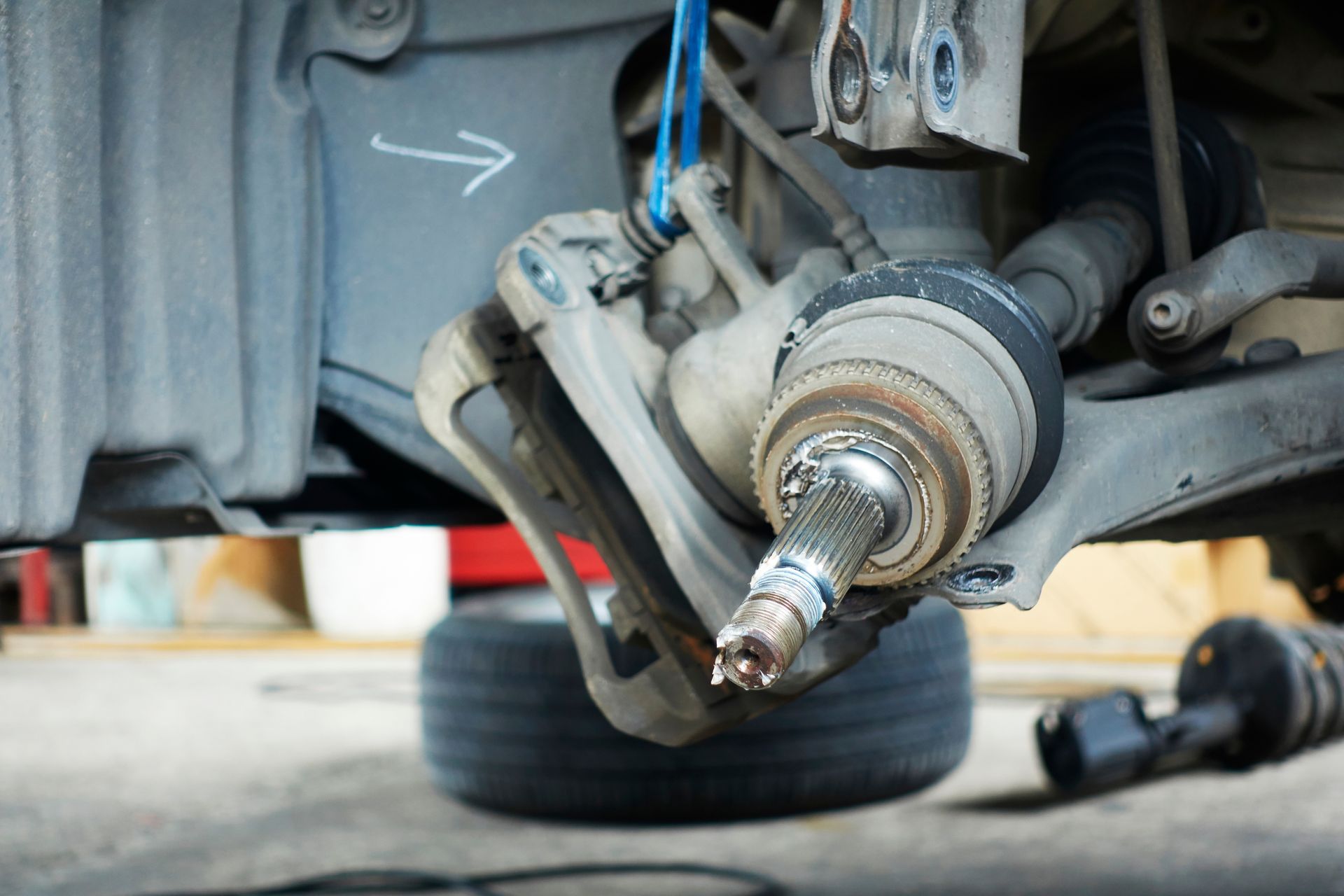
Power travels through more than the transfer case and differentials. Driveshafts, constant-velocity joints, axle shafts, and universal joints move torque while the suspension works over uneven ground. Torn CV boots let grease escape and road grit enter. Worn U-joints create vibration or clunking that grows more obvious under load.
Salt air, water crossings, and road debris in the Aberdeen area expose underbody components to difficult conditions. We inspect boots, joint movement, seals, and mounting hardware during drivetrain service. A vibration at highway speed isn't always a tire problem. A loose driveshaft connection or failing joint needs prompt repair before it damages the surrounding equipment.
Matching Tires Helps Protect AWD Drivetrain Components
Tires play a bigger role in AWD reliability than many drivers expect. The drivetrain monitors or responds to differences in wheel speed, and significant differences in rolling circumference create unnecessary work for certain couplings and differentials. Some manufacturers specify tight limits on tire tread depth differences across the vehicle.
That is why replacing just one badly worn tire on an AWD SUV sometimes isn't the best plan. We compare tire size, wear, pressure, and manufacturer guidance before advising on replacements. Buying four tires isn't an automatic rule for every model or every puncture. The decision depends on measured tread depth, available tire matching options, and the drivetrain's tolerance for differences.
Signs Your AWD or 4x4 System Needs Inspection
A new whine, clunk, or vibration often appears before complete drivetrain failure. Difficulty engaging four-wheel drive, binding during turns, or a warning on the dashboard also calls for testing. A vehicle can seem perfectly normal in two-wheel drive and still have a problem with its front driveline or transfer case engagement system.
Watch for these changes:
- Grinding or whining while accelerating
- Clunking when changing from drive to reverse
- Vibration that increases with road speed
- Four-wheel-drive engagement taking longer than usual
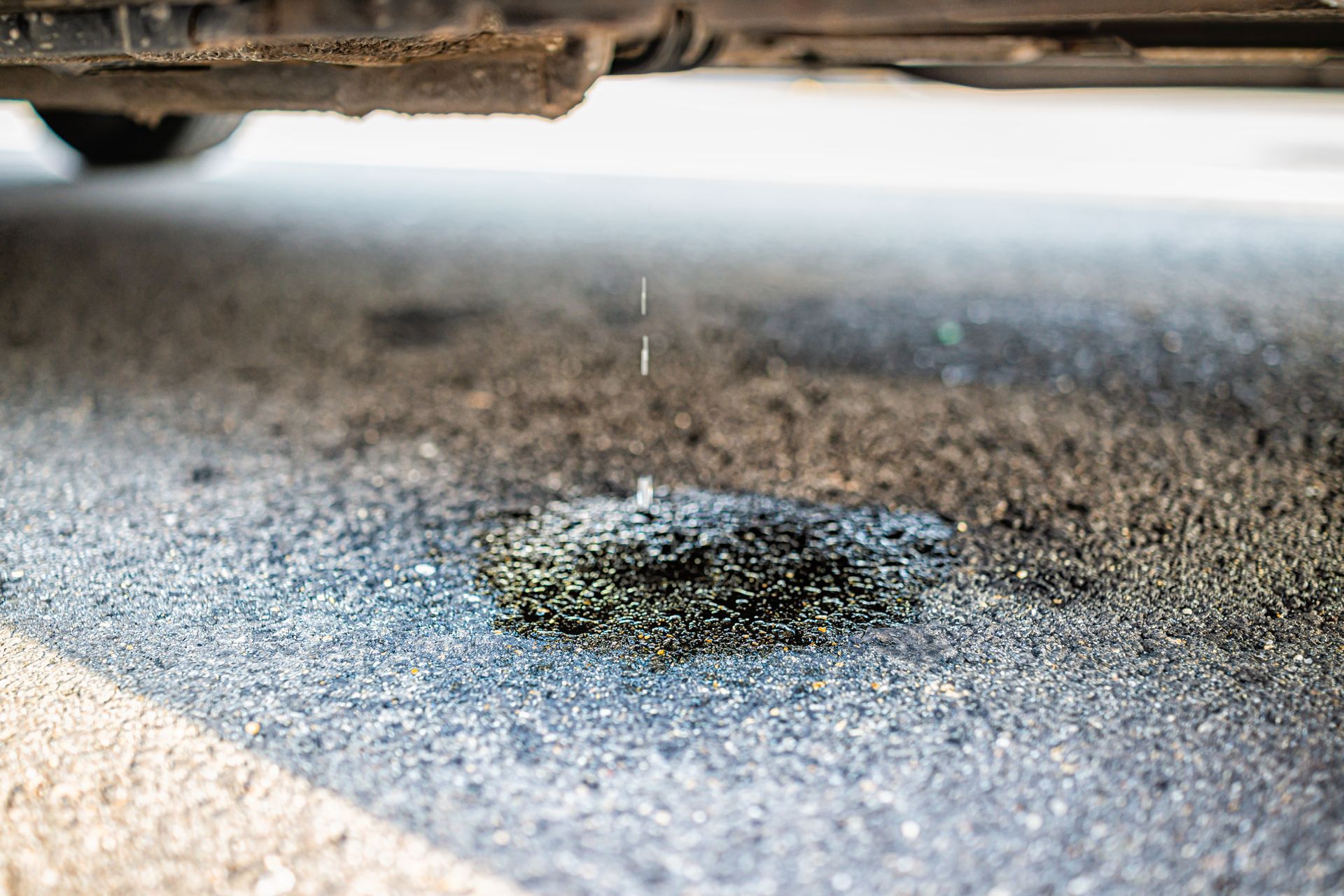
- Fluid residue around differential or transfer case seals
- Uneven tire sizes or major tread depth differences
Describe exactly when the noise appears. If a drivetrain component is binding, banging, or leaking heavily, don't keep testing drive modes on the road.
Build a Drivetrain Service Plan Around How You Drive
A pickup that tows regularly or travels through deep water experiences different operating conditions from an SUV used mainly for commuting. Service intervals, fluid types, and even inspection points change accordingly. After water exposure, checking for contaminated axle or transfer case lubricant is especially important. When did your truck last cross deep water? Water mixed with gear oil reduces protection and encourages corrosion.
We start with the service history and the owner's actual use of AWD or 4x4, then inspect the components that carry the load. Keeping records of differential and transfer case services prevents the familiar situation where nobody remembers the last fluid change. Your drivetrain is ready for more than pavement when the tires, seals, joints, and lubricants are ready too.
Get AWD and 4x4 Drivetrain Service in Aberdeen, WA, With B & B Automotive Inc
B & B Automotive Inc in Aberdeen, WA, inspects AWD and four-wheel-drive components, fluid leaks, driveline joints, and tire conditions. We'll help establish the correct service plan for your SUV or pickup truck.
Bring in your service records before the next towing trip or rough-road outing.